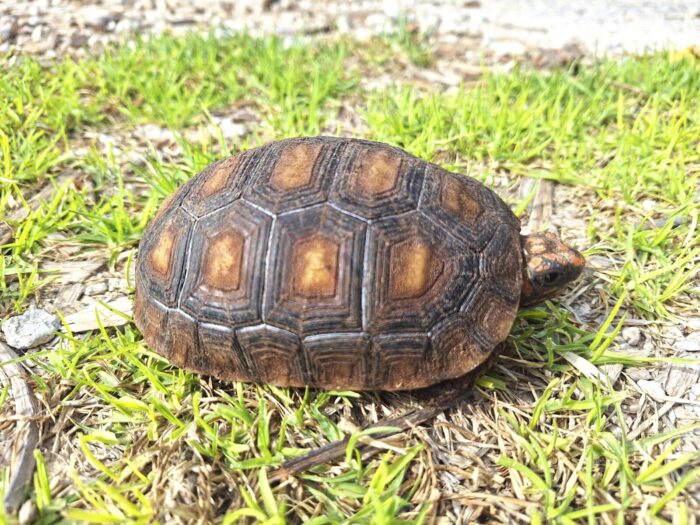
We celebrate the birth of three red-footed tortoise hatchlings after a year of dedicated monitoring
hace 7 monthsThe new arrivals will remain in a controlled environment until they reach the right size to join the America facility.
At Terra Natura Benidorm, we have recently witnessed an important milestone in animal conservation: the birth of three red-footed tortoises (Chelonoidis carbonarius), a South American species whose survival in the wild is increasingly threatened by habitat loss, hunting for human consumption, and the illegal pet trade.
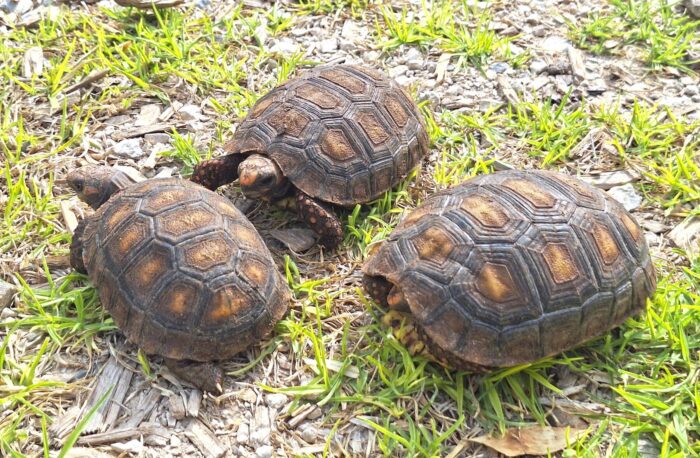
The hatchlings emerged after a three-month incubation process. Their hatching took place last September, following a year of close monitoring and intensive care from our team of keepers and veterinarians. As happens in the wild, the female dug a nest of about 30 centimetres deep to deposit her eggs, making them difficult to detect both in natural and managed environments. The young tortoises broke through the eggshell using their so-called ‘egg tooth’, a temporary structure that disappears shortly after hatching.
Since their emergence, the three hatchlings have been kept in a safe and controlled environment within our veterinary clinic, where the temperature is maintained between 24 and 25°C and they are protected from potential predators such as birds or insects. One of the three showed signs of weakness at birth, with limited mobility, weight loss and lack of appetite. It was promptly treated with fluids and antibiotics by our veterinary team and is now recovering well.
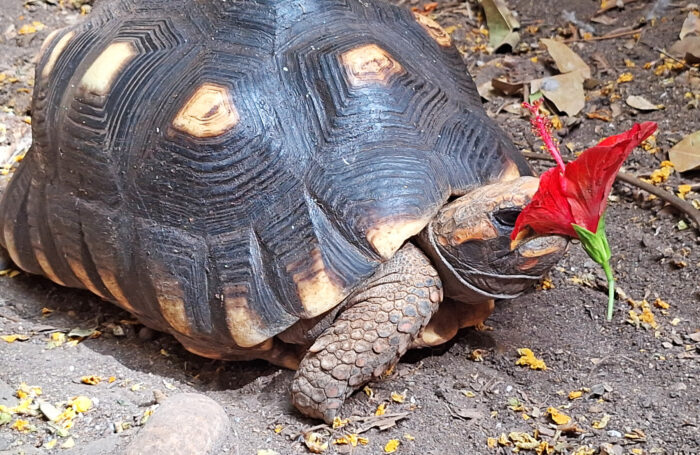
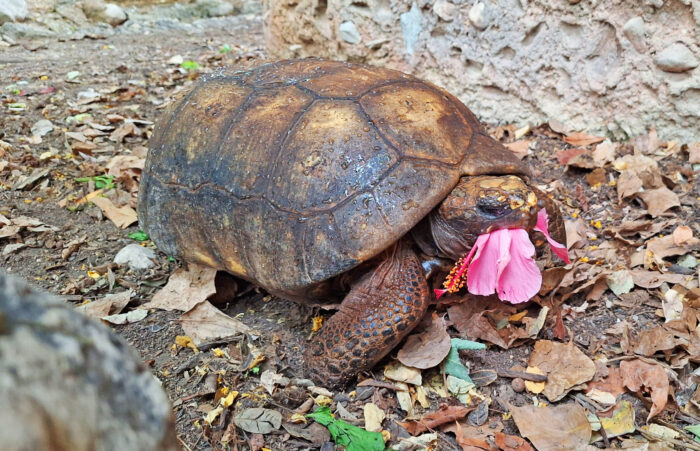
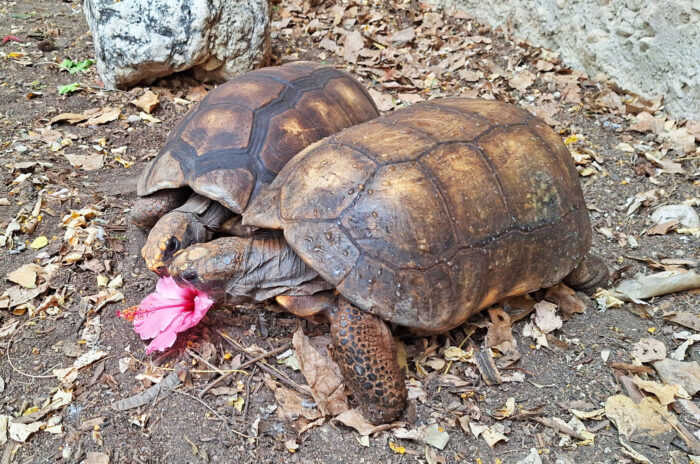
Although almost a year has passed since hatching, they have not yet reached the right size. Once they do, they will be transferred to the America area, where six adult red-footed tortoises (three males and three females) currently live. These adults measure between 40 and 70 centimetres in length and weigh between 9 and 12 kilos. At Terra Natura Benidorm they enjoy a varied, balanced diet of fruits such as apple, pear and papaya, vegetables including lettuce, cucumber and tomato, as well as flowers, leaves and small amounts of animal protein, supplemented with vitamins and calcium to ensure healthy development.
This is not the first time we have successfully bred this species: in 2007 five hatchlings were recorded, followed by two more in 2008, strengthening our expertise in caring for and breeding red-footed tortoises. This latest success reinforces our commitment to biodiversity conservation and environmental education, contributing to the knowledge and protection of species which, like the red-footed tortoise, play a vital role in maintaining the balance of ecosystems.
Although this species does not yet have a defined conservation status on the IUCN Red List, its inclusion in breeding and conservation programmes at institutions such as Terra Natura Benidorm is key to securing its long-term survival.