We welcome a new margay to the European Conservation Programme for the species
hace 2 monthsThe park strengthens protection efforts for this species, of which only around 60 individuals remain in Europe
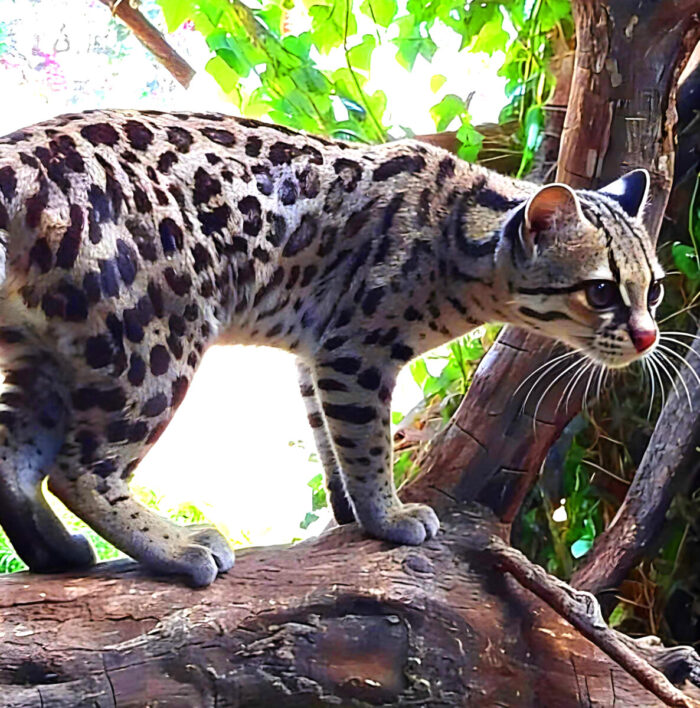
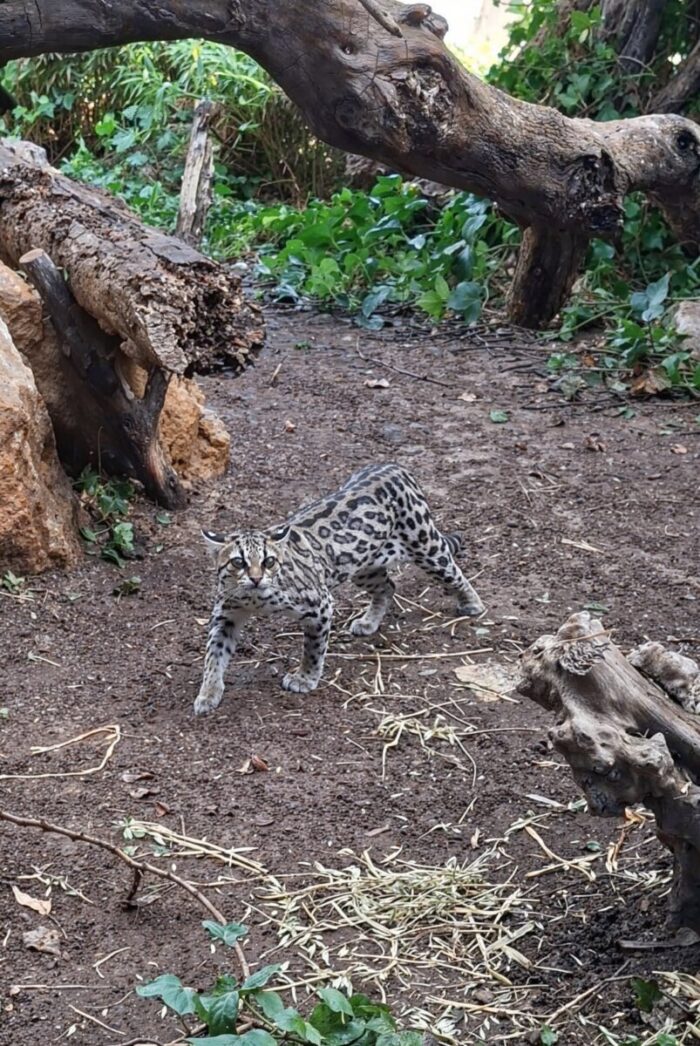
At Terra Natura Benidorm, we are delighted to welcome Goose, a new margay (Leopardus wiedii), a neotropical feline classified as Near Threatened (NT) by the International Union for Conservation of Nature (IUCN) and listed under Appendix I of CITES. The male, born in 2023 at Welsh Mountain Zoo (United Kingdom), arrived at the park on 28th January in excellent health.
Goose’s arrival is primarily aimed at forming a breeding pair with Lecia, the resident female who has lived at the park for the past three years. Now four years old, Lecia has adapted well to her surroundings, although she has not yet had babies. Encouraging breeding between genetically compatible individuals is particularly important for this species. Its low birth rate and protected status make the establishment of new bloodlines essential to securing a stable and sustainable genetic reserve for the long term.
His transfer follows the recommendation of the coordinator of the European Endangered Species Programme (EEP), of which Terra Natura Benidorm is an active participant. At present, there are approximately 60 margays living in European zoos, mainly in Germany, Czechia, the United Kingdom, France and Spain. The coordinated management of these individuals is vital to ensure their welfare and to maintain a genetically viable population under human care.
The margay is one of the most remarkable felines of the American continent. Its natural range extends from Mexico to Argentina and Uruguay, always associated with dense forests and tropical woodland. Nocturnal and solitary, it spends most of its life in the trees, where it hunts, rests and breeds. It is especially renowned for its extraordinary arboreal abilities: it can rotate the tarsal joints of its hind feet by 180 degrees, descend headfirst down tree trunks, and even hang from a single paw while stalking prey. In the wild, the species faces numerous threats, including deforestation, habitat fragmentation, illegal trafficking, road collisions and the transmission of diseases through contact with domestic animals.
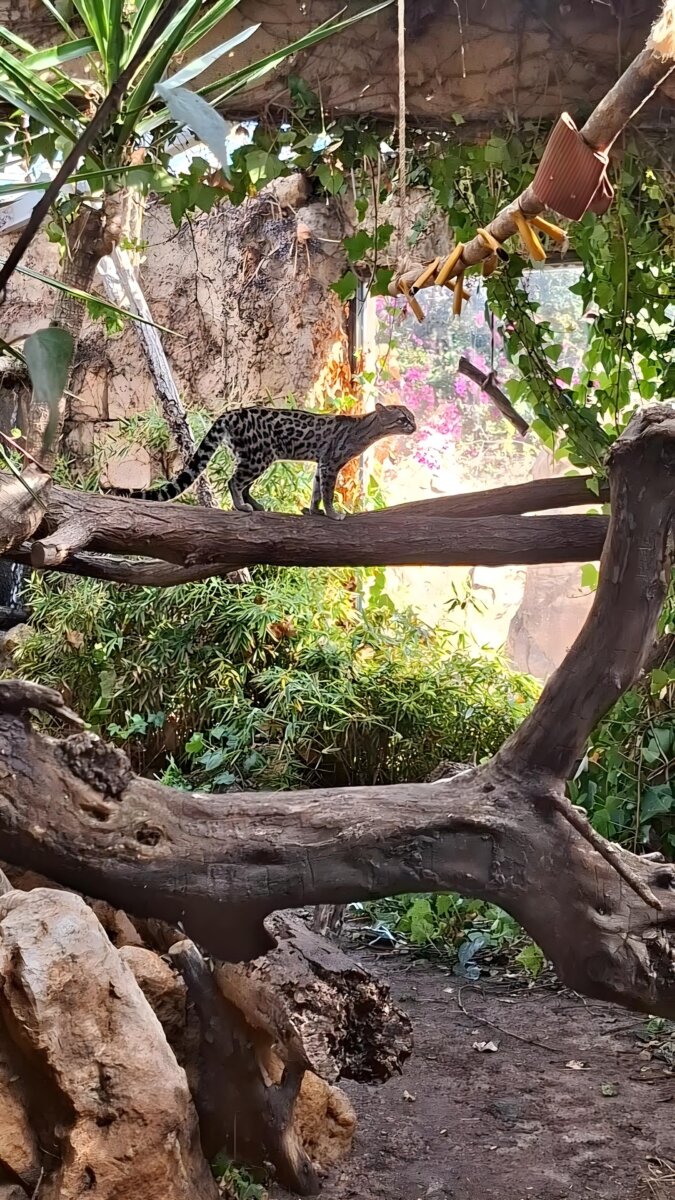
Following his arrival, Goose completed the mandatory quarantine period and began a gradual acclimatisation plan. In the initial phase, both individuals maintained visual and olfactory contact before any direct interaction. The specialist team continues to monitor their behaviour carefully to ensure a positive response, with the full adaptation process expected to take approximately one month. The facility has been enhanced to increase environmental complexity, respecting the species’ arboreal habits and facilitating their future pairing.
Goose has now settled into his permanent habitat and alternates access to the outdoor enclosure with the female, allowing visitors the opportunity to see him outside. With this new addition, Terra Natura Benidorm reinforces its commitment to the conservation of threatened species, the highest standards of animal welfare, and active participation in coordinated European programmes dedicated to preserving biodiversity.