Terra Natura Benidorm takes part in wild small mammal monitoring at two natural sites in Alicante and Valencia
hace 1 weekThe autumn campaign of the SEMICE programme recorded three greater white-toothed shrews at Xorret de Catí and detected signs of other mammal species through camera trapping.
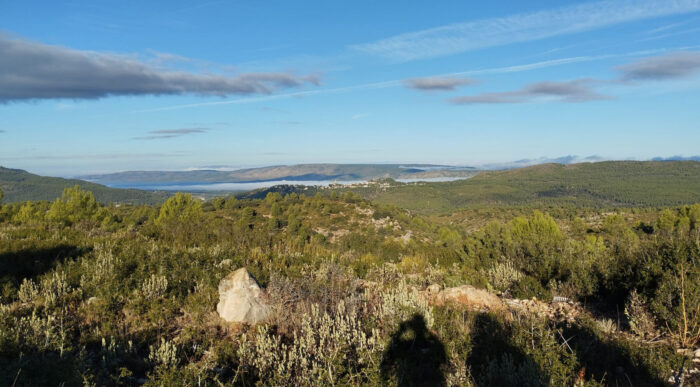
Terra Natura Benidorm has taken part in a new wild small mammal monitoring campaign as part of the SEMICE programme, carried out in October at two natural sites in the provinces of Alicante and Valencia. The work, conducted at Xorret de Catí (Castalla) and Finca Buixcarró (Bocairent), resulted in the recording of three greater white-toothed shrews and provided further information on the presence of other mammals in these areas, helping to improve our understanding of and monitor local biodiversity.
The campaign was carried out in collaboration with Alicante Natura, the company responsible for managing the Xorret de Catí site, which granted permission for the monitoring work, and the Victoria Laporta Carbonell Foundation, which manages Finca Buixcarró and has an existing collaboration agreement with Terra Natura Benidorm. A total of eight members of the park’s team took part in the fieldwork, coordinated by Elisa Gozalbes, Conservation Manager at Terra Natura Benidorm.
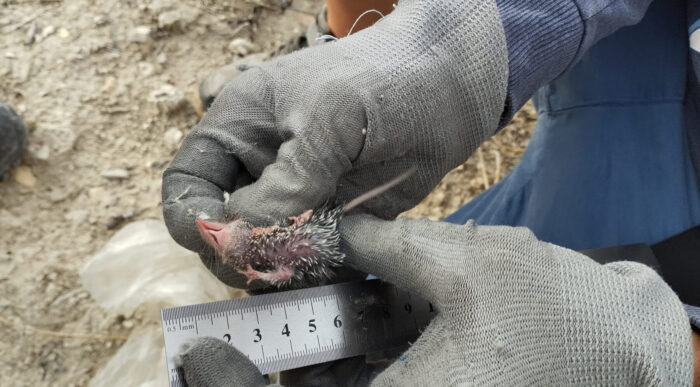
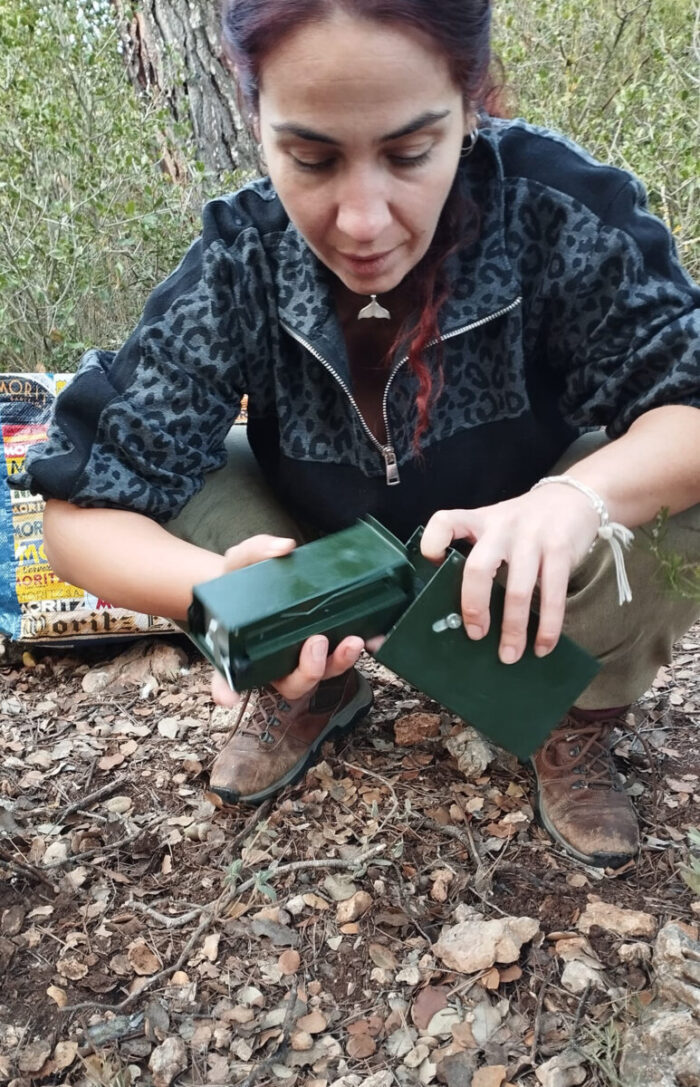
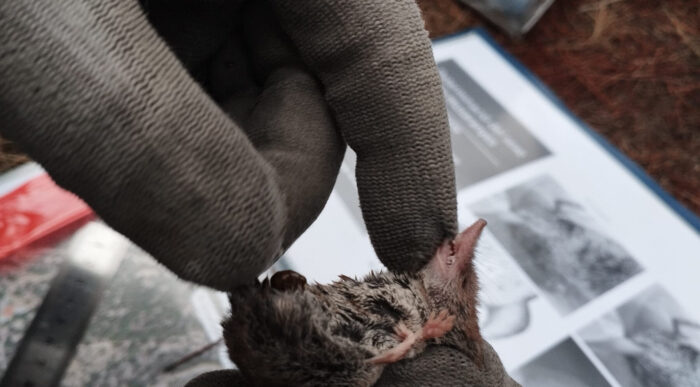
A total of 36 temporary live traps were used to carry out the surveys, together with identification, weighing and marking equipment provided by the Granollers Museum of Natural Sciences (Museu de Ciències Naturals de Granollers). The procedure involves checking for the presence of small mammals and, whenever an animal is found, carrying out an individual assessment. This includes identifying the species, determining its sex and reproductive status, taking body measurements and recording photographic evidence. Once the process is complete, the animals are released at the exact location where they were found.
The first monitoring session took place at Finca Buixcarró, where the traps were set on 14 October and checked over the following three days, during both morning and afternoon rounds. No small mammals were captured at this site during the survey period.
The team then moved to Xorret de Catí, where fieldwork took place between 21 and 24 October, with five inspection rounds carried out. Three greater white-toothed shrews (Crocidura russula) were recorded at this site, with no repeat captures. Although the number of individuals was relatively low, the findings confirm the presence of this species in the area and provide further records that will help researchers monitor population trends over the longer term.
During the inspections, the team also found signs of activity from other mammals. Several traps had been moved or tampered with, with their bait and cotton wool removed. These signs, together with droppings found next to one of the traps, suggest the possible presence of a stone marten, although this has not yet been confirmed.
Camera traps were also installed at both sites to complement the monitoring work. At Xorret de Catí, one of these cameras captured an image of a red fox (Vulpes vulpes) during the early hours of 24 October, providing an additional record of the wildlife inhabiting the area.
The campaign involved approximately 30 hours of fieldwork. All the data collected have now been uploaded to the SEMICE programme’s database, where they will contribute to the ongoing monitoring of small mammal populations and help improve knowledge of their distribution across the region.
Terra Natura Benidorm will continue to participate in this monitoring programme, with the next campaign scheduled for spring 2027. These initiatives help build a better understanding of wild animal populations and ensure their continued monitoring in their natural habitats, complementing the conservation work carried out by the park.