Twelve new births at Terra Natura Benidorm in just five days
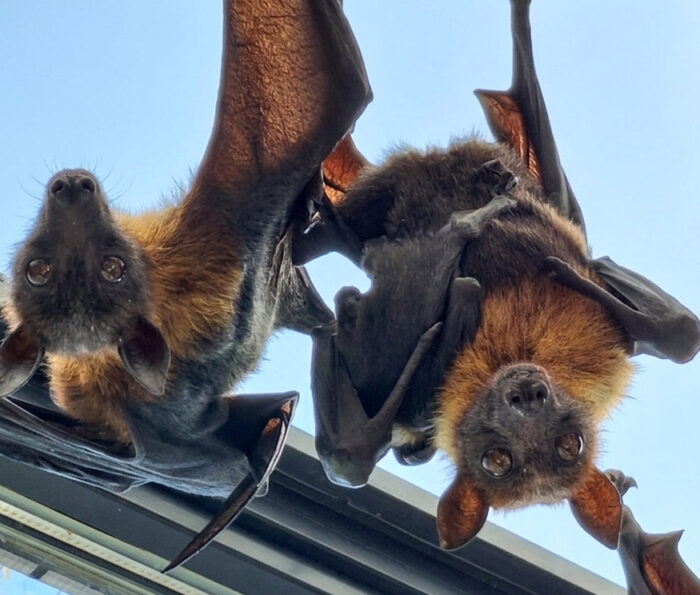
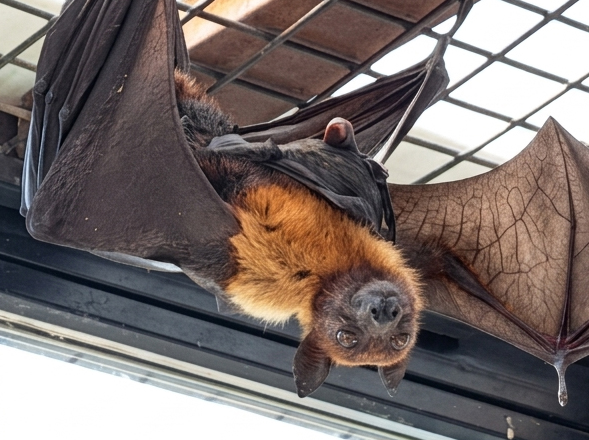
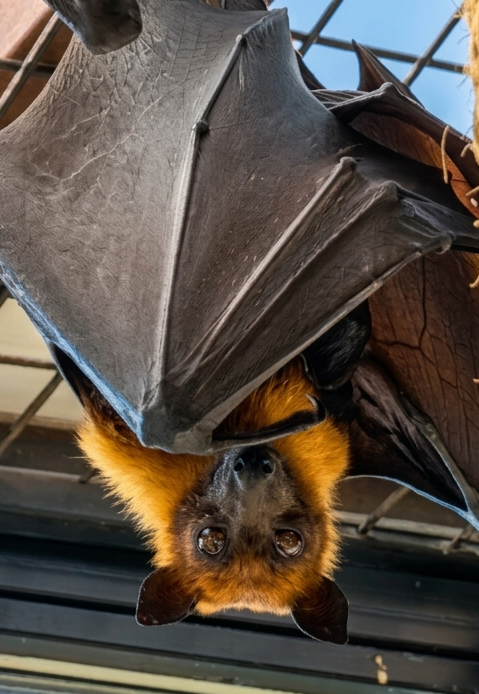
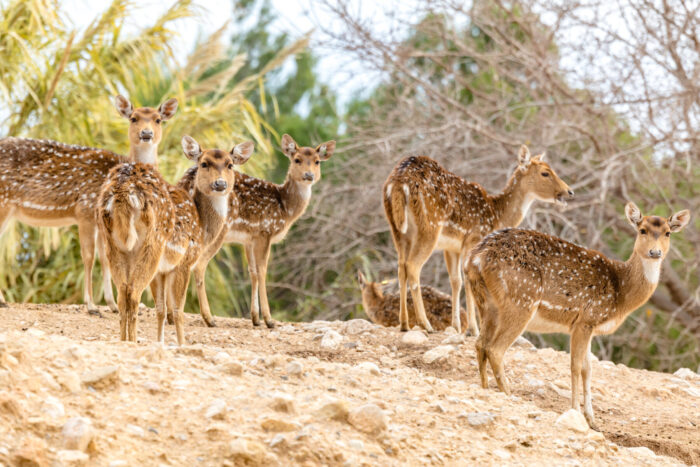
hace 7 monthsAt Terra Natura Benidorm, the arrival of spring has coincided with a remarkable series of births. Over the past five days, seven flying fox pups and five chital fawns have been born in the park. This milestone highlights the high quality of the habitats recreated within the park, as well as the excellent standards of animal welfare maintained, reinforcing Terra Natura Benidorm’s role as a reference point in biodiversity conservation.
Flying foxes are considered among the largest bats in the world, reaching up to 1.5 kg in weight and wingspans of up to 2 metres. Unlike most bats, which are nocturnal, insectivorous and rely primarily on echolocation, flying foxes display crepuscular activity patterns and feed mainly on fruit, flowers and nectar. They also combine their sense of hearing with well-developed vision to orient themselves during flight and locate food.
In recent years, populations of this species have declined significantly due to direct hunting, deforestation and habitat degradation. According to data from the International Union for Conservation of Nature (IUCN), flying fox populations have experienced an estimated decline of around 30% over the past 15 years. This underlines the importance of successful reproduction in managed environments such as Terra Natura Benidorm, both for conservation purposes and for raising public awareness about biodiversity protection.
The gestation period of flying foxes lasts between five and six months, where a single baby is usually born. Mothers establish a strong bond with their young, carrying them during the first weeks of life. In this case, the births occurred in a synchronised manner, a phenomenon also observed in the wild that increases the chances of survival. The pups are born weighing approximately 50 grams and measuring around 8 centimetres in length.
At the same time, five chital fawns—also known as spotted deer—have been born in the park’. Native to the Indian subcontinent, this species also exhibits synchronised reproductive behaviour, meaning that several fawns are born within a short period. This strategy helps reduce the risk of predation and enhances group protection.
With these births, Terra Natura Benidorm further strengthens its commitment to animal welfare and species conservation, consolidating its role as a space where natural reproduction and the development of young animals take place under suitable conditions that support their survival and actively contribute to the preservation of biodiversity.