Terra Natura Benidorm Expands Its Scarlet Ibis Colony with the Arrival of 20 New Birds
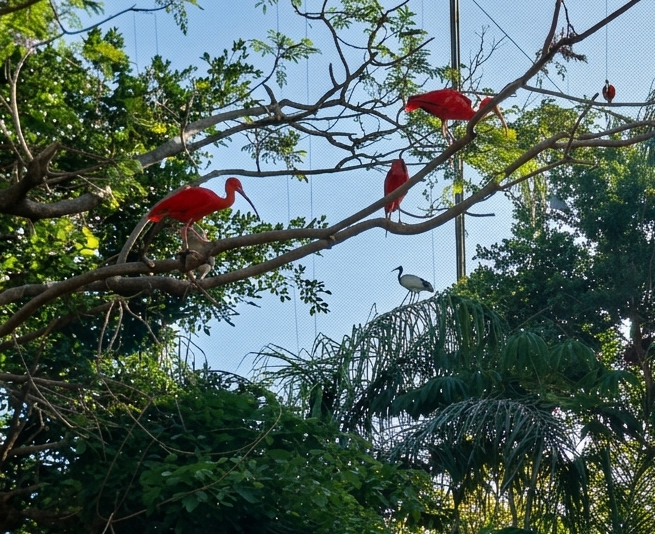
hace 4 monthsTerra Natura Benidorm has expanded its colony of scarlet ibis (Eudocimus ruber) with the arrival of 20 new birds from Eindhoven Zoo in the Netherlands. The group, with ten males
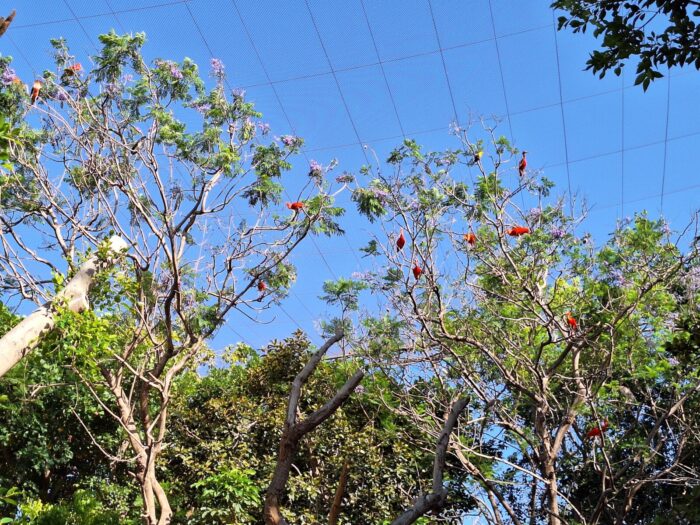
and ten females, strengthens the presence of this striking species within the park’s walk-through aviary, where two individuals were already living.
Before joining the existing colony, the birds completed the park’s standard arrival protocol. They initially underwent a quarantine period to ensure their health and wellbeing, followed by a carefully managed acclimatisation phase before being introduced to the resident ibis.
The integration process has been smooth, with the new arrivals settling well alongside the existing birds. This successful introduction reflects the naturally social and gregarious behaviour of scarlet ibis, which live, feed and breed in large colonies in the wild.
With this latest addition, Terra Natura Benidorm has increased its scarlet ibis population from 2 to 22 birds, further enhancing the educational value of the aviary and giving visitors the opportunity to see one of the most iconic tropical birds.
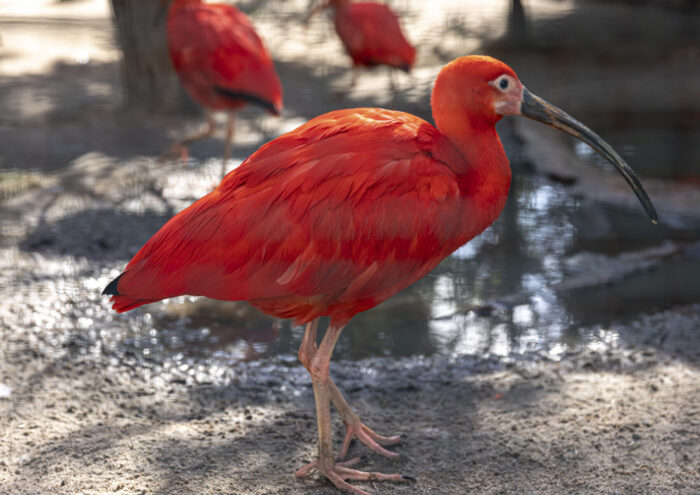
The scarlet ibis is widely regarded as one of the world’s most spectacular wading birds, thanks to its vibrant scarlet-red plumage. Native to the mangroves, wetlands and coastal regions of northern South America and the Caribbean, it is particularly abundant in countries including Venezuela, Brazil, and Trinidad and Tobago.
Its vivid colouring comes from carotenoid pigments found in the crustaceans that they eat such as crabs and shrimp—a process similar to the one responsible for the pink plumage of flamingos. Juvenile birds are initially brownish-grey in colour and gradually develop their characteristic brilliant red plumage over the course of around two years.
Scarlet ibis typically measure between 55 and 70 centimetres in length and have long legs and a distinctive down-curved bill, perfectly adapted to search food in the mud and shallow water. Their diet consists mainly of crustaceans, as well as insects and other small aquatic animals.
Although the global population of the scarlet ibis is considered stable and the species is currently classified as Least Concern by the International Union for Conservation of Nature (IUCN), it continues to face localised threats. Habitat loss and the degradation of wetlands and mangroves, pollution of feeding areas, illegal hunting, and the collection of eggs and chicks all remain significant conservation challenges in parts of its natural range.