We have taken part in a new edition of the SEMICE project to monitor micromammal biodiversity
hace 6 monthsFieldwork has been carried out in the Sierra de Mariola to study the evolution of these species as bioindicators
Terra Natura Benidorm has joined a new edition of the SEMICE project (Monitoring of Common Small Mammals in Spain), a leading scientific initiative at national level focused on the study of small mammals. The project is led by Elisa Gozalbes, biologist and Head of Conservation within the Animal Department, and is part of a nationwide monitoring network that enables the analysis of biodiversity and ecosystem health.
Launched in 2008 and coordinated by the Granollers Museum of Natural Sciences, SEMICE aims to monitor micromammal populations over the long term, particularly rodents and insectivores weighing under 150 grams. This collaborative science programme includes more than 170 monitoring stations across different areas of Spain, providing data and enabling the rigorous assessment of population trends.
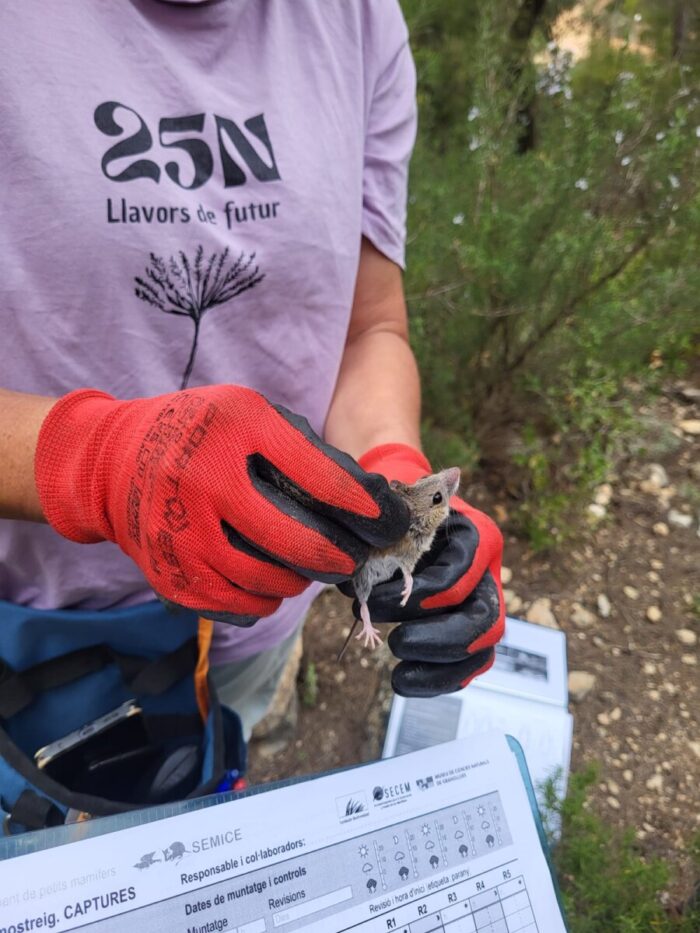
The methodology is based on sampling stations equipped with live traps, which are checked regularly in spring and autumn. This ongoing monitoring is essential for understanding population dynamics and detecting potential environmental changes. Micromammals are regarded as excellent bioindicators, as they respond rapidly to environmental disturbances; their study therefore helps to improved biodiversity management and conservation.
Initial results in the Sierra de Mariola
The first surveys conducted by the Terra Natura Benidorm team took place at the Buixcarró Estate in the Sierra de Mariola, an area managed by the Victoria Laporta Foundation, with which the park has a collaboration agreement. A total of 36 live traps were installed across the site. Fieldwork resulted in the capture of ten micromammal specimens, eight of them recorded in a single day.
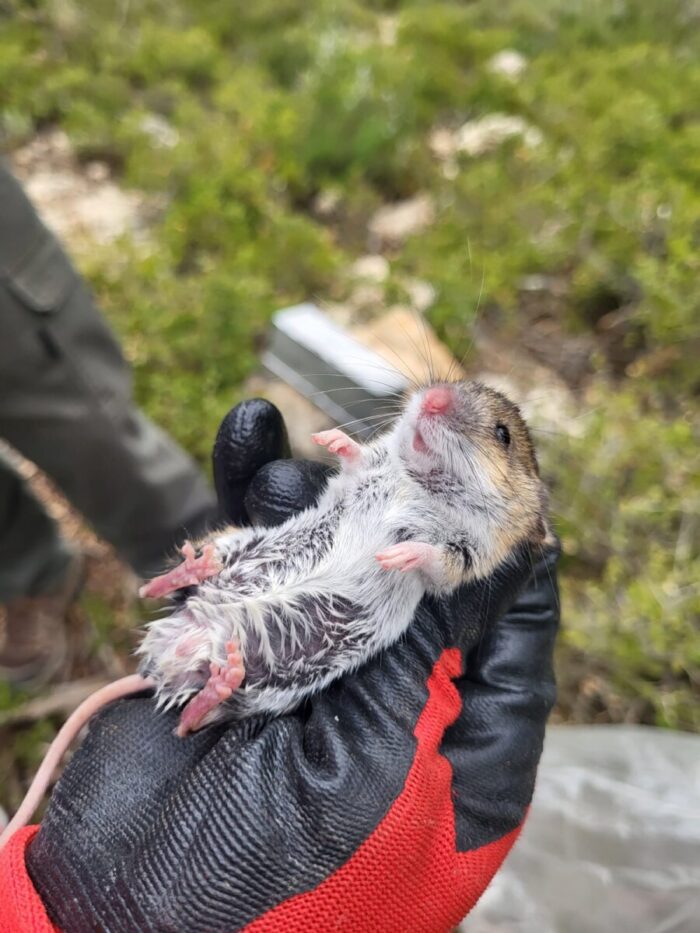
Most individuals belonged to the genus Apodemus, including both males and females at different reproductive stages and weighing between 15 and 43 grams. Among the species identified were two specimens of Apodemus sylvaticus (wood mouse), as well as one individual of Mus musculus (house mouse), a species rarely recorded in this type of study and representing less than one per-cent of captures within the project.
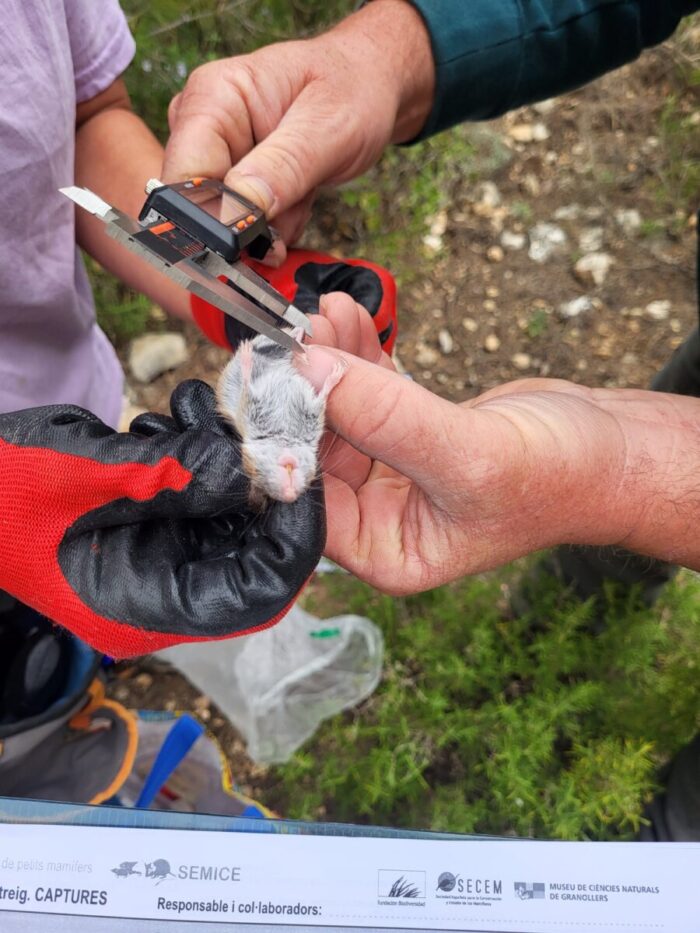
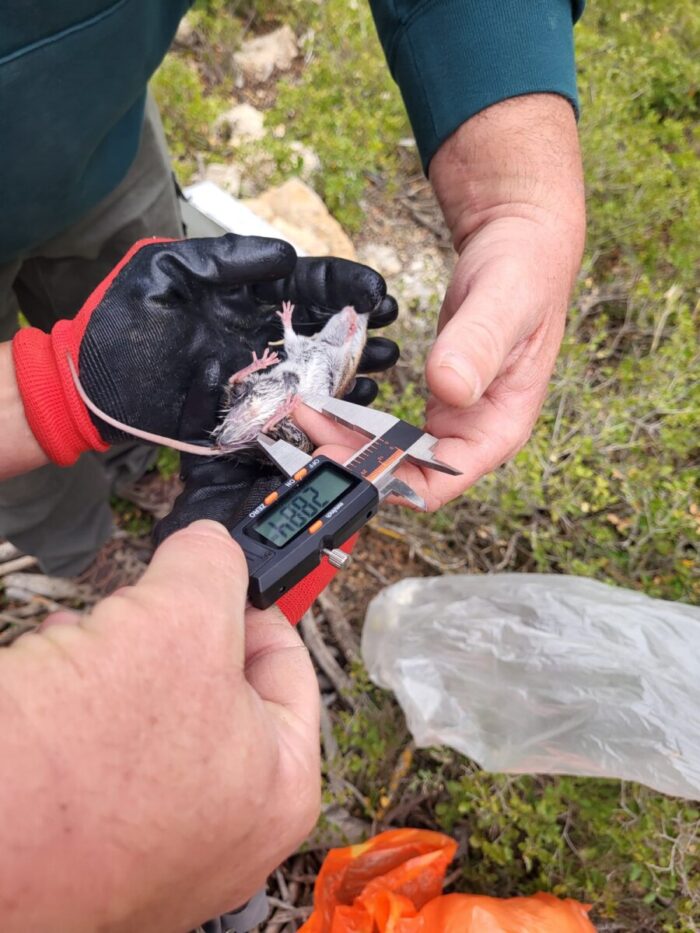
All animals were identified, sexed, weighed and marked before being released back into their habitat, in strict accordance with the established scientific protocol. This procedure ensures both the reliability of the data collected and full respect for animal welfare.
The wood mouse (Apodemus sylvaticus), one of the most widespread micromammals in Europe, plays a key role in maintaining ecosystem balance. Its ability to disperse seeds contributes to the regeneration of woodland and scrub habitats, while its position within the food chain makes it an essential prey species for many predators. In addition, its diet includes insects and larvae, helping to regulate their populations and reinforcing its value as an indicator of environmental health.
Long-term continuity in studies of this kind, together with the rigorous application of standardised methodologies, makes it possible to obtain comparable data that are crucial for identifying population trends and anticipating ecological change. Terra Natura Benidorm’s participation in the SEMICE project reflects its commitment to scientific research and biodiversity conservation, and its aim to contribute to a better understanding and protection of natural environments.