We have welcomed one of the world’s least-known snakes—an important addition for scientific research
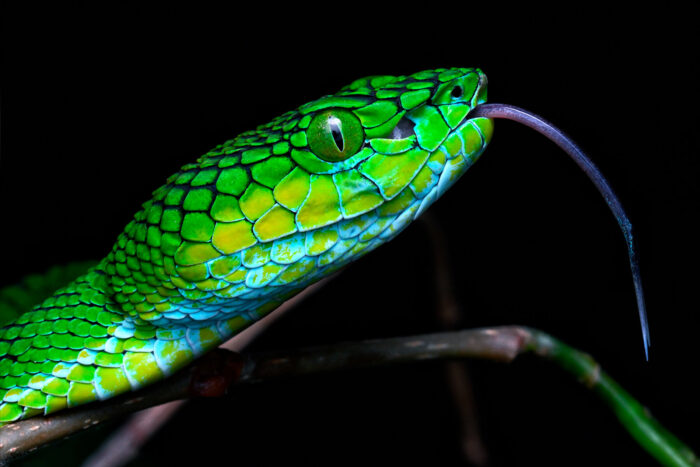
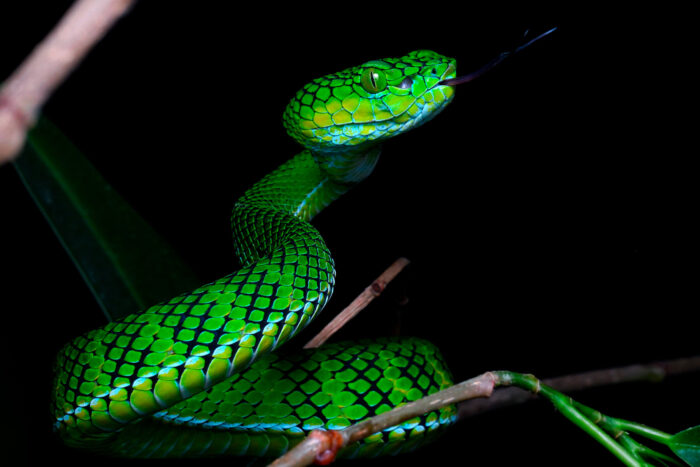
hace 6 monthsTrimeresurus gunaleni, known as the “Gunalen’s green pit viper” or “Gunalen’s green ghost”, is a species almost entirely absent from zoological collections.
At Terra Natura, we have introduced one of the most enigmatic and little-known snake species in the world: Trimeresurus gunaleni. This remarkable arrival represents a significant scientific milestone and places the park in a leading position in the fields of wildlife research and conservation. Scientifically described as recently as 2014, this venomous arboreal viper is native to the rainforests of Sumatra (Indonesia) and is virtually non-existent in zoological collections worldwide.
Its arrival marks a major achievement for Terra Natura. According to available records, there are no documented individuals in zoos either in Europe or globally. This makes its presence an exceptional event, opening up new avenues for the study of a species that remains largely unknown to the scientific community.
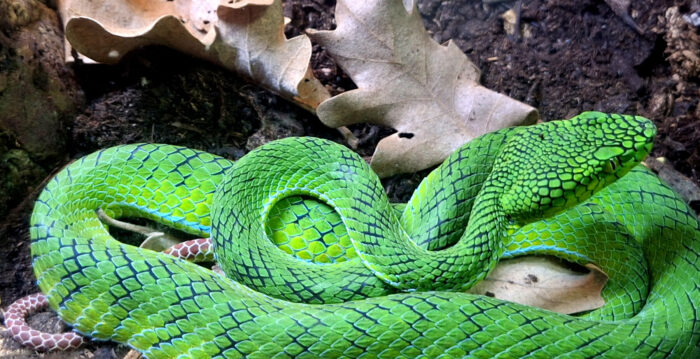
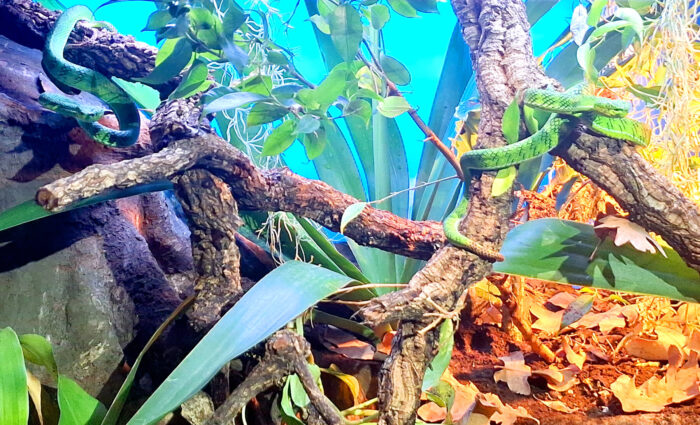
Around six weeks ago, we received a juvenile pair from the National Centre for Venomous Animals (CNAV). Since then, both specimens have undergone a quarantine period under strict environmental, veterinary and nutritional controls. The male is now on display, offering visitors a rare opportunity to see a species that is almost impossible to find in the wild.
Nicknamed the “green ghost of Gunalen”, this snake is notable for its lime-green colouring with bluish hues and its extraordinary camouflage, which renders it almost invisible among vegetation. Its name honours Indonesian herpetologist Danny Gunalen, who contributed to its identification. The species displays several unusual traits, including oviparous reproduction—a rarity within its genus, which is predominantly ovoviviparous—as well as its elusive behaviour and nocturnal or crepuscular habits.
Research into antivenom
From a scientific perspective, the presence of Trimeresurus gunaleni at Terra Natura creates new research opportunities, particularly in the study of its venom, which is primarily haemotoxic, as well as in potential biomedical applications and the
development of antivenoms. The presence of a pair also offers the possibility of advancing captive breeding efforts, contributing to its ex situ conservation and to a deeper understanding of its biology.
This addition also allows visitors to engage with a rarely seen species. Due to its camouflage and the scarcity of records in its natural habitat, it is extremely difficult to observe in the wild. Seeing it up close provides a unique experience that promotes scientific awareness and environmental education.
The snake will be incorporated into the park’s educational talks and outreach activities, reinforcing Terra Natura’s commitment to environmental education. Through this initiative, the park highlights the importance of continued research and protection of lesser-known species, underlining that conservation—including captive breeding—is essential to ensuring their future.
“Studying such poorly understood species as Trimeresurus gunaleni offers a unique opportunity to advance both scientific knowledge and biodiversity conservation,” said David Martí, Head of Herpetology at Terra Natura Benidorm. “Working with this species will allow us to explore key aspects of its biology, behaviour and venom, helping to generate valuable insights with applications in both conservation and the biomedical field.”