We strengthen thermal control and animal nutrition as temperatures drop
hace 11 monthsOur team of zookeepers and veterinarians has activated the seasonal animal welfare plan in anticipation of the expected drop in temperatures. The measures focus on three key pillars: temperature control, dietary adjustments and supplementation, and the adaptation of handling and training routines. These actions are tailored to the specific needs of each species, ensuring comfort for the animals during the coldest months of the year.
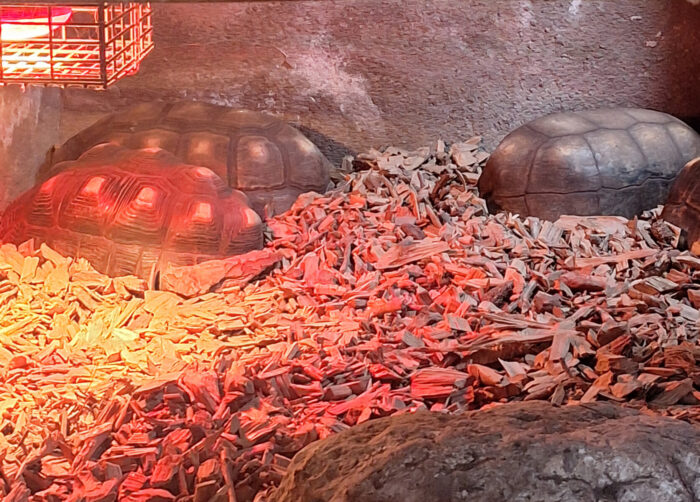
To maintain appropriate temperatures, the park is equipped with heating and climate-control systems adapted to each facility. These include air-conditioning units with heating functions, radiators and heat lamps, all of which are checked two to three times a day to ensure they are working correctly. In addition, shelters and indoor holding areas remain closed during the winter to retain warmth, and are opened during warmer months to provide natural ventilation. These measures are particularly important for sensitive species such as marmosets, primates, rhinoceroses, sloths, tropical birds, deer, reptiles and birds of prey. In the elephant facility, for example, temperatures never fall below 15°C, while reptiles such as crocodiles require stricter control, with temperatures between 26°C and 30°C and a slight reduction in food intake to prevent incomplete digestion in cooler conditions.
Otters receive special attention too because although their dense fur provides natural insulation, they also have additional heat lamps and dry resting areas. For animals with young, straw bedding is prepared and the frequency of checks is increased to ensure a warm and stable environment.
Nutritional care is also reinforced during this period. Diets are adjusted in both quantity and caloric content, without altering the basic composition of their food. Carnivores receive increased amounts of meat to help them build up energy reserves, while herbivores are given extra feed, vegetables and hay. Primates receive vitamin C supplements from October to March to strengthen their immune system.
A clear example is the feeding routine of marmosets and other primates, whose diet is divided into three daily phases. In the morning, they are offered Primate Cake, a specially formulated food made with cereals, dried fruit, vitamins and proteins to meet their essential needs. The quantity is calculated according to each individual’s weight, averaging 10 grams per-kilo of bodyweight, and adjusted depending on age or physiological condition. Throughout the day, their diet is complemented with fruit, vegetables and live protein sources such as larvae, ensuring a balanced nutritional intake and preventing energy deficits during the colder months.
Planning these diets requires constant coordination between keepers, kitchen staff and the veterinary team. The veterinarians establish the management guidelines and determine the nutritional requirements of each species, while the kitchen staff prepare the food according to a specific daily plan. This collaborative system ensures optimal nutrition at all times.
Finally, animal training and handling routines are also adapted to winter conditions which are based on positive reinforcement to prevent stress in case of rain,cold temperature or veterinary check-ups. A clear example can be seen in macaws, which voluntarily return to their facility when it rains or temperatures fall, thanks to strengthened training protocols throughout the year.
“Animal welfare is a year-round commitment, and winter requires special attention. Each species has its own thermal and nutritional needs, and our goal is to ensure they remain active, safe and comfortable during this period,” our veterinary team highlighted.