We’re taking part in a study on animal behaviour during the total solar eclipse
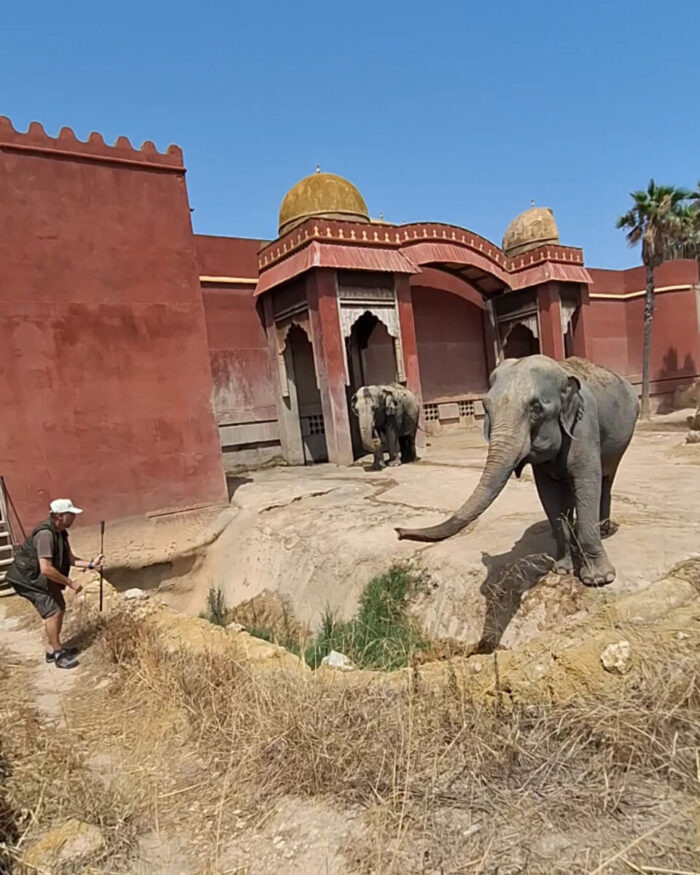
hace 3 monthsAt Terra Natura Benidorm, we will be monitoring the behaviour of our Asian elephants and squirrel monkeys during the total solar eclipse on 12th August as part of a scientific project coordinated by the Iberian Association of Zoos and Aquariums (AIZA).
The initiative will bring together twelve zoological parks across Spain and Portugal to investigate how different animal species respond to this rare natural phenomenon. The aim is to gather valuable information on any behavioural changes that may occur as daylight briefly fades during the eclipse.
At our park, the study will focus on our Asian elephants and squirrel monkeys. Both species will be observed using high-definition cameras and continuous recording systems, allowing us to document their behaviour and identify any changes in activity throughout the different stages of the eclipse.
Although there have been a handful of studies on animal behaviour during solar eclipses, coordinated research involving zoological institutions remains extremely limited. Previous observations from around the world suggest that sudden changes in light levels can influence the behaviour of certain species. The total solar eclipse on 12 August provides a unique opportunity to expand scientific understanding of how abrupt environmental changes affect animal biology and behaviour.
Recording will begin several days before the eclipse to establish a reliable behavioural baseline. All participating zoos will monitor the same species during the same time period each day, ensuring the consistency and reliability of the data collected. This will allow researchers to compare animals’ normal behaviour with their responses during the eclipse itself.
Once the project has concluded, AIZA will compile and analyse the footage gathered by all participating institutions to produce an audiovisual report that will support scientific outreach and improve our understanding of how different species respond to exceptional environmental events.
Alongside Terra Natura Benidorm, the project also involves Zoo de Santillana del Mar, Cabárceno Nature Park, Lacuniacha Wildlife Park, Rio Safari Elche, Oceanogràfic Valencia, Bioparc Fuengirola, Sendaviva, Tierra Rapaz, Faunia, Zoo Aquarium Madrid, and Zoomarine Portugal.
AIZA intends to continue this collaborative research during the next major solar eclipse visible from the Iberian Peninsula, scheduled for 2nd August 2027 and 26th January 2028. The knowledge gained will help broaden our understanding of how wildlife responds to rare natural events while strengthening scientific collaboration between participating zoos—an initiative that we are proud to be part of.